Bluetooth trackers are widely misunderstood, and the misunderstanding leads to disappointment at exactly the wrong moment. They contain no GPS and no cellular radio. What they do is announce themselves over Bluetooth, and rely on other people’s phones to report where that announcement was heard.
How a finding network works
Every compatible phone in the network listens passively for tracker broadcasts. When one hears yours, it reports the location to the platform, encrypted, without the phone’s owner knowing. You then see the last reported position on a map.
The consequence is that a tracker is only as good as the density of compatible phones where you lost the item. In midtown Manhattan, updates come within minutes. On a rural hiking trail, there may be none for days.
Apple Find My versus Google versus proprietary
Apple’s network is the largest by a wide margin because it runs on every iPhone by default. Google’s equivalent has grown quickly on Android. Proprietary networks from individual manufacturers are far smaller and effectively only work in the immediate area.
A tracker card that says “works with Find My” is joining the largest network. One that requires the manufacturer’s own app is not, whatever the marketing suggests.
iOS-only cards are a real category
Several very slim wallet cards support Apple Find My exclusively. On Android they are inert. This is stated on the listing and is easy to skim past, and it is the most common cause of a returned tracker.
If a household mixes platforms, check per device rather than assuming a tracker bought for one phone will work with the other.
Form factor decides where it can live
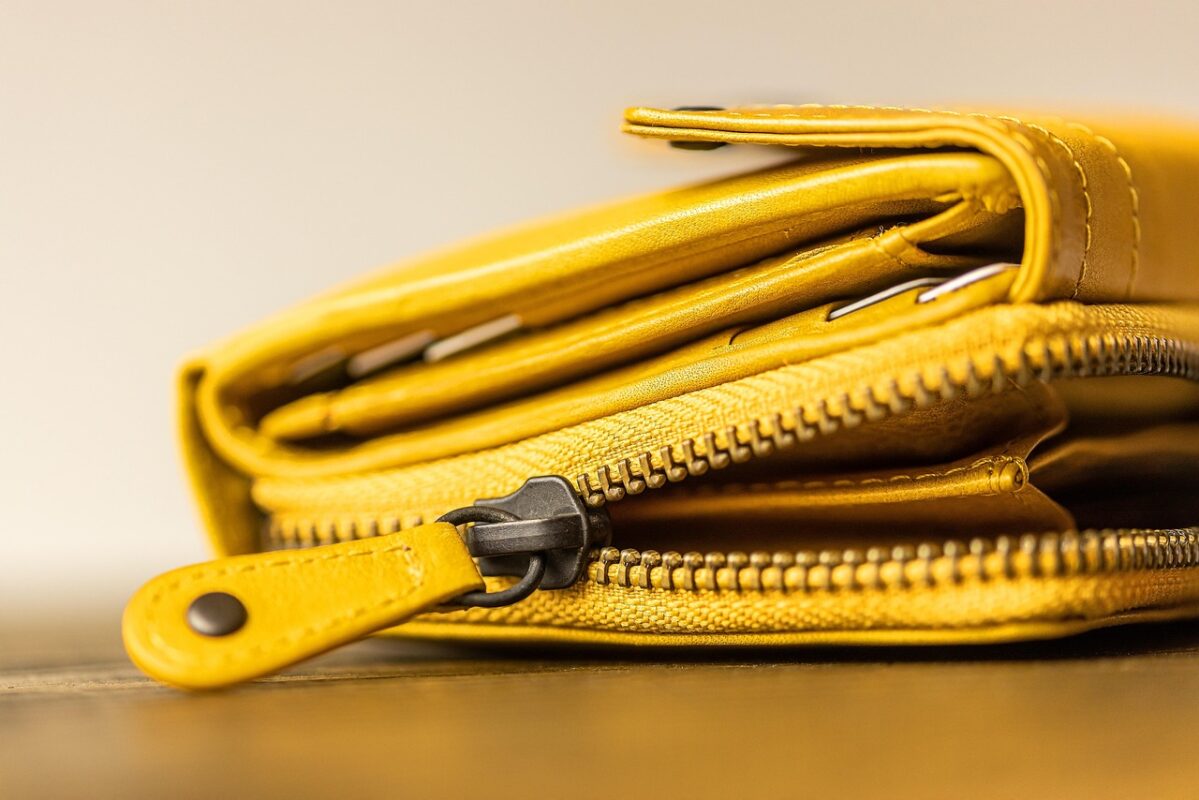
A keyring fob is thick, loud and has a replaceable battery. A wallet card is the thickness of two or three credit cards, quieter, and usually rechargeable or sealed. A sticker is thinnest and quietest of all.
Loudness matters more than people expect. Finding a wallet under a sofa cushion is done by ear, and a card’s buzzer is much quieter than a fob’s.
Battery: replaceable or rechargeable
Fobs generally take a coin cell lasting about a year, replaceable in seconds. Cards are usually sealed and rechargeable, with three to five months per charge and a proprietary charging pad. Neither is better; they fail differently.
A sealed card with no charging port and no replaceable cell has a fixed lifespan, typically around three years. That should be part of the price calculation.
Range, honestly
Quoted ranges of 200 to 400 feet assume open air with nothing in between. Through two internal walls, expect a fraction of that. Range matters for the “it is somewhere in this room” case and is largely irrelevant for the “I left it in a taxi” case, where the network does the work.
Unwanted tracking protections
Both major networks now alert people when an unknown tracker travels with them. This is a genuine safety feature and it also means a tracker placed in a bag you lend to someone will notify them. Use them on your own possessions, which is what they are for.
Trackers are not a substitute for a security device and should never be relied on to recover a stolen item by confronting anyone.
Where they genuinely shine
Keys, wallets, luggage, bicycles, camera bags, and anything that gets put down in a different place every day. Checked luggage is the standout case: knowing a bag is still at the origin airport is worth the price of the tracker on its own.
They are much less useful on things that never move, and on anything you would only miss weeks later.
What we list
Supported network, platform requirement, thickness, battery type and expected life, and buzzer loudness where the maker publishes it. Those five determine whether a tracker fits your wallet, works with your phone and is audible when you need it to be.