Digital measuring tools are marketed as replacements for a tape measure. They are not; they are better at a specific set of jobs and clumsier at the rest, and the split is easy to describe.
Where the laser wins outright
Room dimensions, ceiling heights, and any measurement that would otherwise need two people or a ladder. Standing at one wall and reading the distance to the other in a second is a genuine transformation for anyone measuring rooms regularly.
Area and volume calculations are built in on most units, which removes the arithmetic step and the errors that come with it.
Where a tape still wins
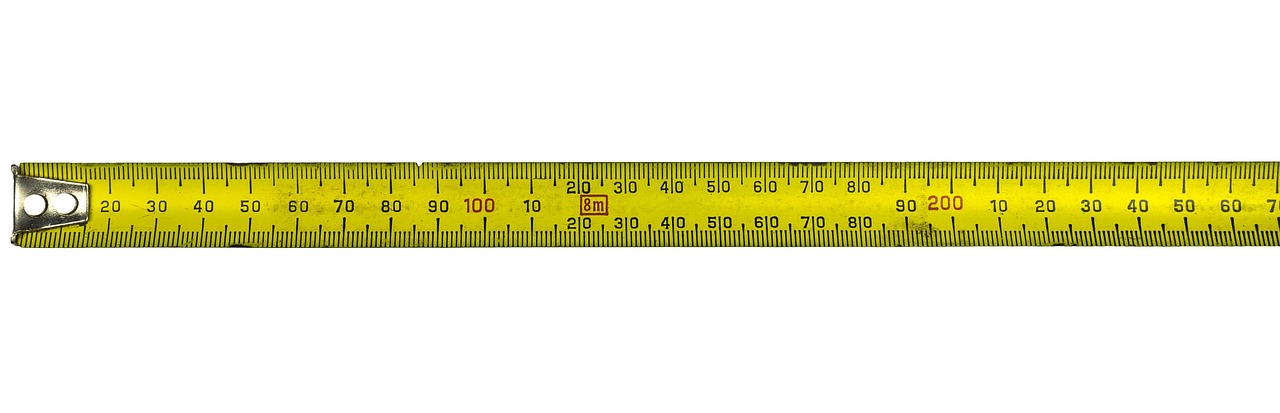
Anything under about a foot, anything curved, and anything where you need to mark as you measure. A laser cannot follow a curve, cannot hook over an edge, and gives you a number rather than a mark on the workpiece.
For furniture, joinery and most hardware work, the tape is still the primary tool and the laser is the one that comes out for the room.
Accuracy claims and what affects them
Typical accuracy is around 1.5mm to 3mm over the rated range, which is better than most people manage with a tape over long distances. It degrades on dark, glossy or textured target surfaces, and in bright sunlight where the beam is hard to see.
A target card – a simple white plate – restores accuracy on difficult surfaces and is worth keeping with the unit.
Reference point is the classic error
Every laser measure can measure from its front edge, its back edge, or a tripod thread. Which one is active is shown by a small icon that is easy to miss, and measuring from the wrong reference introduces a consistent error the length of the device.
Check the reference setting at the start of every session. It is the single most common cause of a wrong reading.
Digital tape measures are a third category
Devices that combine a rolling wheel or a retracting tape with a digital display bridge the two. They handle curves and short distances like a tape and give a digital reading that can be stored or sent to a phone.
They are heavier than a plain tape and depend on a battery. For someone recording many measurements, the ability to log them without writing them down is the real feature.
Bluetooth and phone apps
Sending measurements straight into a floor plan app removes transcription errors, which are more common than measurement errors. This is the strongest argument for a connected tool over a standalone one.
Check that the app is from the manufacturer and still maintained. An abandoned app turns a connected tool into an ordinary one.
Range, and buying more than you need
A 130-foot range covers any domestic interior with room to spare. Longer ranges cost more and are for surveying outdoors, where sunlight limits them anyway. For a home or a small office, the shorter unit is the right buy.
Battery type
Rechargeable via USB-C is now standard on better units and avoids a dead device with no AAA cells in the house. Where a unit takes replaceable cells, keep a spare pair with it.
Cold weather shortens battery life sharply on these devices, which matters if the tool lives in a van.
Both, honestly
The realistic answer for most people is a good 25-foot tape for daily work and a laser for rooms, ceilings and anything awkward. They cost little together and each removes the frustration the other creates.
We list accuracy, rated range, reference-point options and battery type on every measuring tool we stock, because those four decide whether the number on the screen is one you can build to.