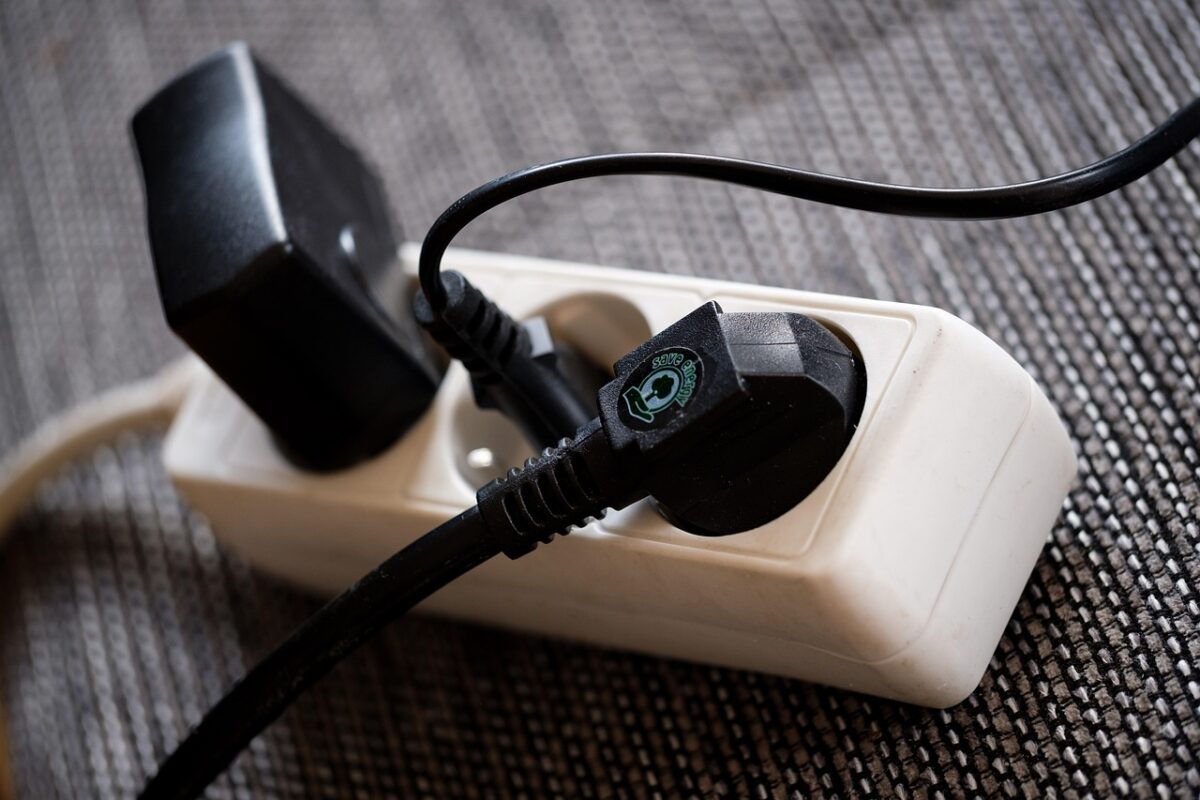
Almost every desk and every television has one, almost nobody reads the specification, and almost nobody replaces one until it stops passing power. Surge protectors wear out, and a worn one looks and behaves exactly like a working one.
What a joule rating means
The joule rating is the total energy the protective components can absorb before they are exhausted. It is cumulative: a device rated at 1,800 joules can take one large surge or hundreds of small ones, and each event uses some of the budget permanently.
Under 500 joules is minimal protection suitable for a lamp. Around 1,000 to 2,000 covers a computer or a television. Above 2,500 is worth having where equipment is expensive or the supply is unreliable.
The component that does the work
Most protectors use metal oxide varistors, which clamp voltage spikes by conducting them to ground. Every clamp degrades the varistor slightly. After enough events they fail – sometimes open, quietly, and sometimes short, which is why quality units include a thermal fuse.
A protector without a thermal fuse is the one you read about catching fire. This is stated in the specification of any unit worth buying.
The indicator light is the only warning you get
Good units have a separate “protected” indicator distinct from the power light. When it goes out, the protection is spent even though the sockets still work. Most people never notice because the strip keeps functioning.
If a unit has only one light, you have no way to know. That alone is a reason to prefer one that has two.
Clamping voltage and response time
Clamping voltage is the level at which the protector starts conducting – lower is better, with 330V or 400V being common good figures. Response time is how fast it reacts, measured in nanoseconds.
These two matter more than the joule rating for protecting sensitive electronics, and they are the two least often quoted. Where a listing gives them, that is a good sign about the unit generally.
Extenders are not protectors
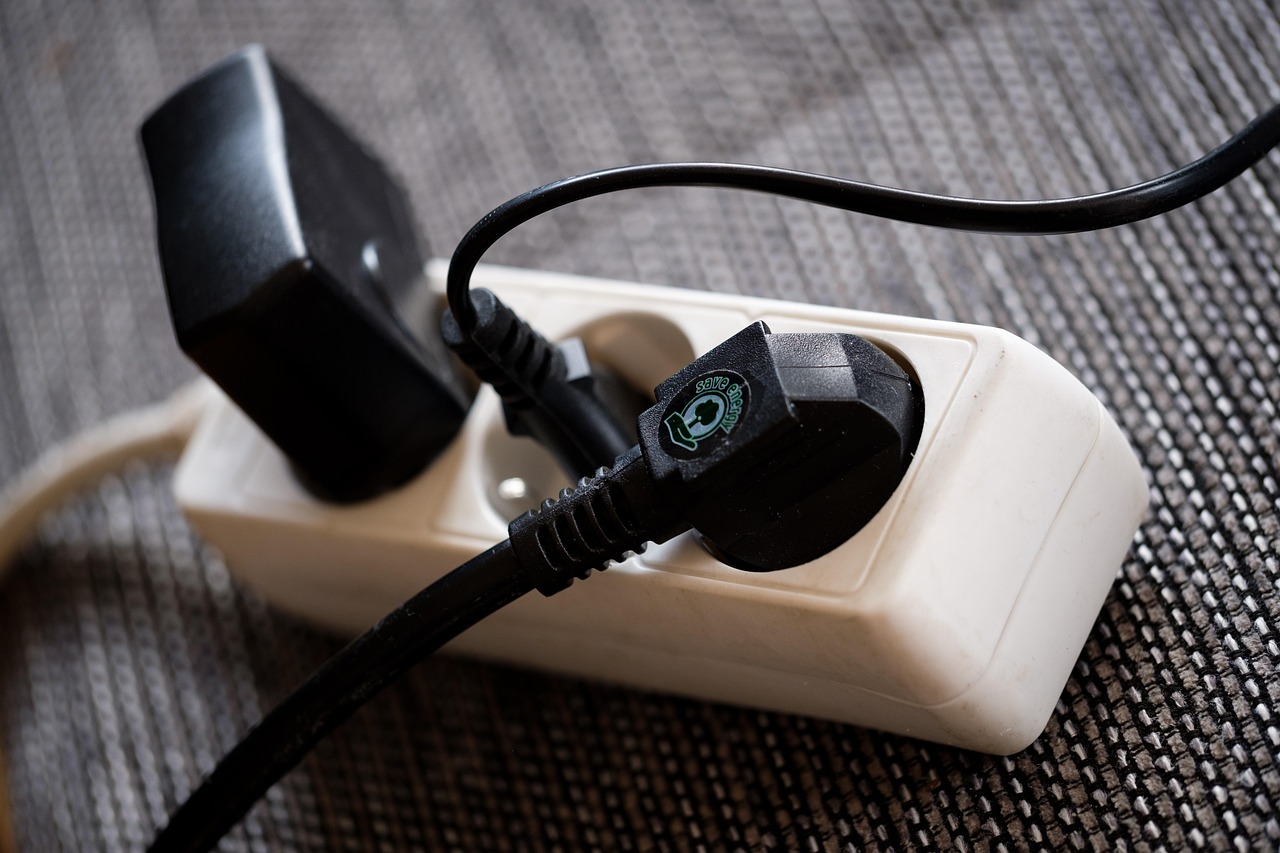
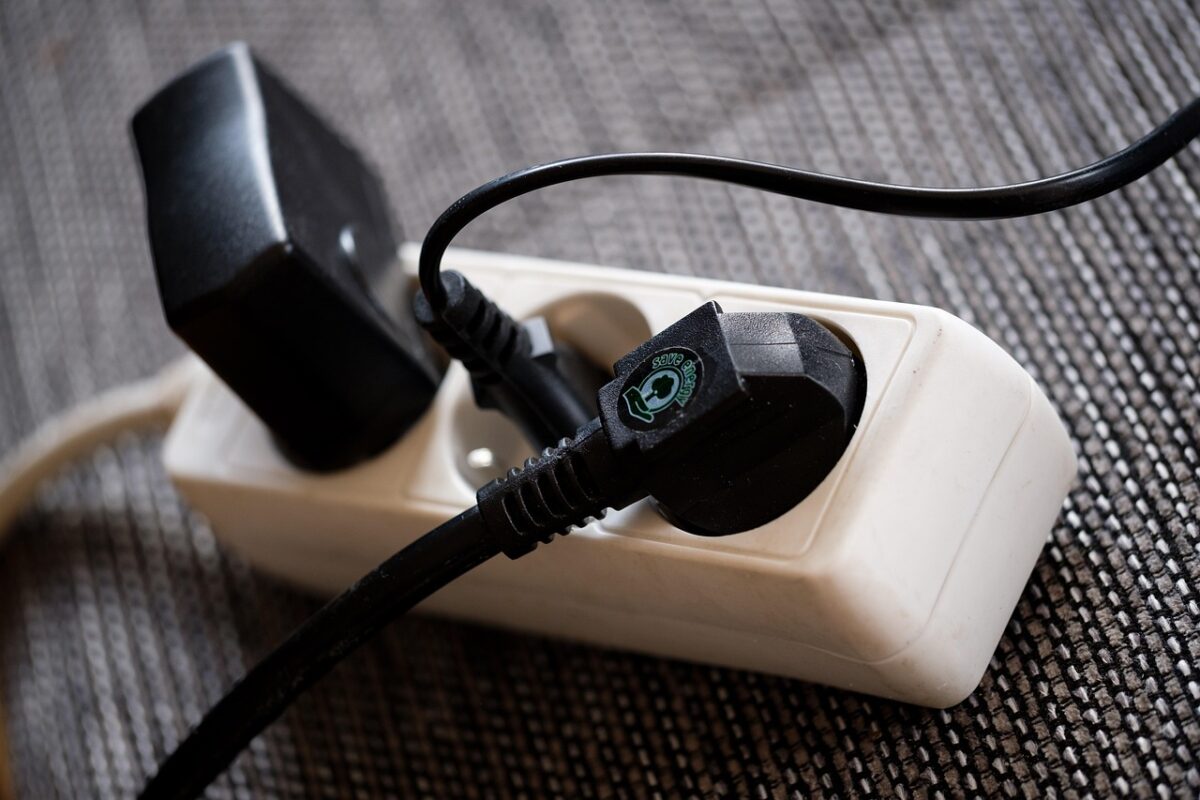
A plain multi-socket extender simply splits an outlet. It offers no protection at all. Many are sold alongside protectors and look identical. The presence of a joule rating is the distinguishing feature – if there is not one, there is no protection.
A USB-equipped extender with no joule rating is a convenience device, and there is nothing wrong with that as long as you know which you bought.
What not to plug in
Not another extender – daisy-chaining is the most common cause of overloaded circuits. Not a space heater, an air conditioner or anything with a high sustained draw. Not a fridge or a freezer, where a nuisance trip means spoiled food.
The total load matters too: a strip rated at 15A on a 15A circuit is only safe if everything else on that circuit is accounted for.
Wall-hugging designs
A flat plug or a right-angle plug lets furniture sit against the wall without stressing the socket. A heavy extender hanging out of a wall socket puts leverage on the contacts and, over years, loosens them – which is a heating problem, not just an inconvenience.
For anything with weight, a corded strip on the floor is safer than a direct wall-mounted block.
Night lights and shelf features
Extenders with a small shelf and a light sensor are genuinely useful next to a bed or in a hallway. Check that the night light can be disabled independently, and that the shelf load rating is stated – many are decorative rather than structural.
A shelf holding a phone over a socket is a place where a dropped phone lands on live pins. Cable management on these units matters.
Replacement interval
Every three to five years for a unit in normal use, or immediately after any known surge event such as a nearby lightning strike or a supply fault. This is not a sales pitch; it is how the components work.
Write the purchase date on the underside with a marker. It is the only way anyone ever remembers.
What we list
Joule rating, clamping voltage where published, whether a thermal fuse and a separate protection indicator are fitted, the number and type of sockets, and the plug profile. Those decide both whether the unit protects anything and whether it fits behind your furniture.